When summer hits and temperatures climb into the 90s and beyond, riding a motorcycle can quickly shift from freedom to risk. Heat doesn’t just make riding uncomfortable, but actively impacts your focus, hydration, and physical safety.
For riders who want to stay on the road year-round, understanding how to manage extreme heat is essential. This guide breaks down exactly how to ride safely in high temperatures, combining practical riding strategies, proven safety habits, and real-world awareness.
Why Riding in Extreme Heat Is More Dangerous Than You Think
Motorcycles don’t offer the environmental protection that cars do. There’s no air conditioning, no enclosed cabin, and no buffer from direct sunlight. That means your body absorbs heat continuously, both from the environment and from the bike itself.
Riders are already managing balance, awareness, and reaction time. Add excessive heat, and your body begins to fatigue faster. Dehydration reduces cognitive performance, slows reaction time, and increases the likelihood of mistakes.
Motorcycle safety research consistently shows that rider awareness and physical condition are critical factors in crash prevention. As noted in broader motorcycle safety guidance, riders face significantly higher exposure risks compared to drivers, and even minor lapses can lead to serious consequences. Extreme heat accelerates those risks.
The Real Impact of Heat on Your Body While Riding
Heat affects riders in three major ways:
- Dehydration
You lose fluids faster than you realize, especially under protective gear. Even mild dehydration can impact concentration and coordination. - Heat Exhaustion
Symptoms like dizziness, fatigue, and nausea can come on gradually. Many riders don’t recognize it until it becomes dangerous. - Reduced Reaction Time
Your brain processes information more slowly when overheated. On a motorcycle, even a split-second delay matters.
Unlike driving a car, you can’t rely on environmental controls to stabilize your condition. That’s why preparation is everything.
Hydration: The Most Important Safety Habit
If there’s one rule that matters more than any other in extreme heat riding, it’s this: hydrate constantly.
Best practices for rider hydration:
- Drink water before you even start your ride
- Carry water with you. Hydration packs are ideal
- Take small sips frequently rather than waiting until you’re thirsty
- Rehydrate at every stop
Avoid sugary drinks, energy drinks, and alcohol. These can accelerate dehydration rather than prevent it.
A properly hydrated rider maintains better focus, faster reaction time, and stronger endurance over long distances.
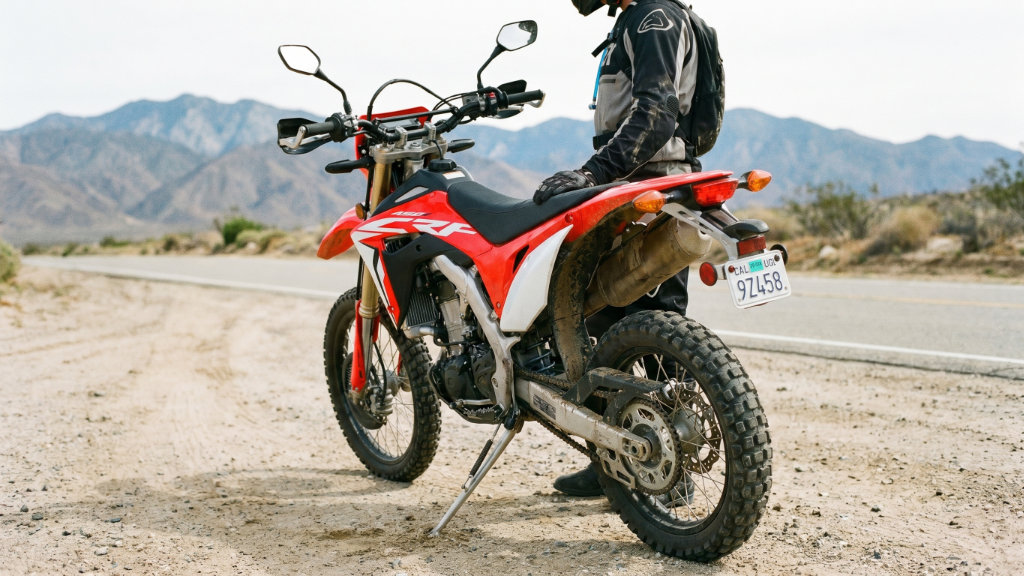
Motorcycle Gear for Hot Weather Riding
One of the biggest mistakes riders make in summer is reducing protective gear. While it may feel cooler initially, it actually increases risk, both from crashes and from heat exposure.
Instead, the goal is optimized gear, not less gear.
What to Wear in Extreme Heat
Ventilated Jackets and Pants
Mesh or perforated gear allows airflow while maintaining protection.
Moisture-Wicking Base Layers
These help sweat evaporate more efficiently, keeping your body cooler.
Light-Colored Gear
Reflects sunlight instead of absorbing heat.
Properly Vented Helmet
A high-quality helmet with airflow channels reduces heat buildup around your head.
Protective gear isn’t just about crash safety. It also helps regulate your body temperature when chosen correctly.
Timing Your Ride: Avoid the Worst Heat
Smart riders don’t just prepare, they plan.
The hottest part of the day typically falls between 12 PM and 4 PM. Riding during this window significantly increases your risk of heat exhaustion.
Best Times to Ride
- Early morning (before peak heat builds)
- Evening (after temperatures begin to drop)
If you must ride during peak heat:
- Shorten your ride duration
- Increase break frequency
- Monitor your physical condition closely
Planning your ride around temperature is one of the simplest ways to reduce risk.
Take Breaks Before You Need Them
Waiting until you feel exhausted is already too late.
Instead, build breaks into your ride proactively:
- Stop every 45–60 minutes
- Find shade whenever possible
- Remove your helmet and jacket briefly
- Drink water, even if you don’t feel thirsty
Your goal is to stay ahead of fatigue, not react to it.
Recognizing the Signs of Heat Illness
Every rider should know these warning signs:
Early Symptoms:
- Headache
- Fatigue
- Excessive sweating
Danger Signs:
- Dizziness or lightheadedness
- Nausea
- Confusion or lack of focus
If you experience any of these:
- Stop riding immediately
- Move to a cool, shaded area
- Hydrate and rest
Continuing to ride in this condition is extremely dangerous. Not just for you, but for everyone on the road.
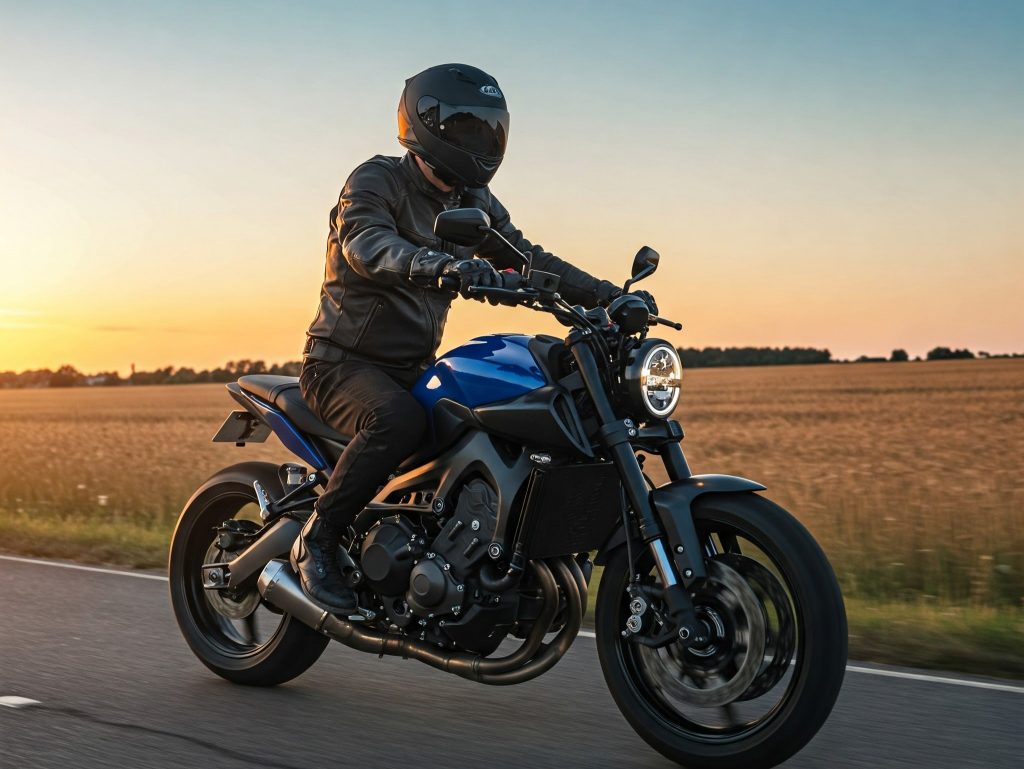
Motorcycle Preparation Matters Too
Heat doesn’t just affect riders, but also bikes.
Things to check before riding in extreme heat:
- Tire pressure (heat increases pressure)
- Coolant levels
- Engine performance under high temperatures
- Battery condition
Hot pavement can also reduce traction, especially during sudden stops or aggressive turns.
A well-maintained motorcycle is part of a safe ride.
Defensive Riding Becomes Even More Important
Extreme heat reduces your margin for error. That means your riding style needs to adapt.
Key defensive riding strategies:
- Increase following distance
- Avoid aggressive acceleration
- Stay highly visible to other drivers
- Watch for distracted drivers (who may also be fatigued in heat)
Motorcycle safety is built on awareness and proactive decision-making, not reaction alone. As emphasized in general safety principles, consistent habits and alert riding significantly reduce accident risk.
Build a Heat-Ready Riding Routine
Experienced riders treat extreme weather the same way they treat long-distance riding: with a system.
A strong routine includes:
- Pre-ride hydration
- Gear selection based on temperature
- Route planning with rest stops
- Continuous self-checks during the ride
This isn’t about overthinking. It’s about consistency.
Common Mistakes Riders Make in Hot Weather
Avoid these:
- Skipping protective gear
- Not drinking enough water
- Riding through fatigue
- Ignoring early signs of heat exhaustion
- Riding during peak heat without planning
Most heat-related riding issues are preventable with basic awareness and preparation.
The Bigger Picture: Riding Smart Year-Round
Extreme heat is just one example of how environmental conditions impact motorcycle safety. The same principles apply across all riding conditions:
- Stay prepared
- Stay aware
- Stay disciplined
Motorcycle safety isn’t a one-time decision, but a habit built over time.
Final Thoughts: Ride Smart, Stay in Control
Riding in extreme heat demands respect. It tests your preparation, your discipline, and your awareness. But with the right approach, it doesn’t have to limit your riding season.
Hydrate early. Wear the right gear. Plan your rides. Listen to your body.
Because at the end of the day, the goal is to ride safely every time.
If you’re looking for more guidance on motorcycle safety, riding habits, and protecting yourself on the road, continue exploring our resources and stay committed to smarter riding.