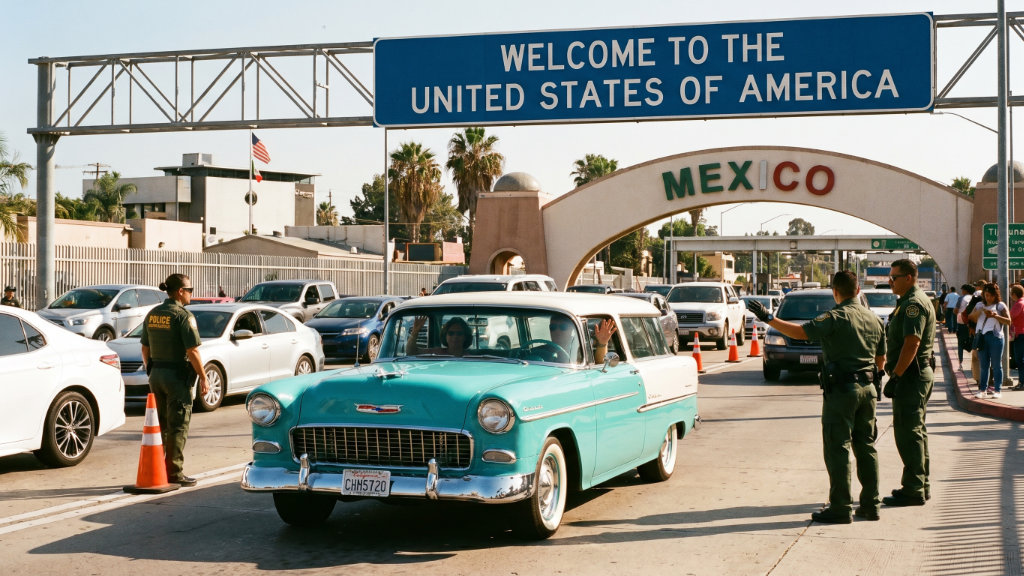
Bringing a vehicle from Mexico into the United States often looks like a paperwork nightmare. Between safety standards, shifting emissions rules, and complex road regulations, you have to get every step right. But for enthusiasts looking for a unique ride, the effort is often worth the reward.
In 2026, the import landscape has changed. While the core process is similar to importing from other countries, new trade policies mean you have to be sharper than ever. This guide looks at what it takes to get a Mexican vehicle across the border and ready for American roads.
Which Vehicles Can Be Imported?
Generally, there are two main paths to getting a vehicle into the country.
The 25-Year Rule (Class of 2001)
Under the 25-Year Rule, vehicles at least 25 years old can enter without meeting modern federal safety standards. As of 2026, the Class of 2001 is finally eligible. This includes iconic Mexican-market gems like the final runs of the classic air-cooled VW Beetle (the “Vocho”) or the 2001 Nissan Tsuru.
The EPA 21-Year Rule
Many people miss this win: the engine only needs to be 21 years old to skip emissions testing, provided it stays in its original setup. If you are eyeing a 2003–2005 model for off-road use or special display, this 21-year mark is your best friend for navigating EPA road regulations.

Understanding 2026 Duty Fees and Tariffs
Duty fees are no longer a simple flat rate. While the base duty for passenger vehicles is 2.5%, recent trade shifts under Section 232 and Section 122 have introduced a temporary 10% surcharge on most imports through July 2026.
Furthermore, the “Chicken Tax” remains a massive hurdle. Large trucks and light pickups face a 25% tariff unless they meet strict regional content rules. To avoid these massive bills, your vehicle must be USMCA compliant. You need a valid Certificate of Origin to prove the car was built in North America. Without it, that “budget” Mexican truck could cost you thousands more at the border than you expected.
Duty-Free Import Situations
In certain circumstances, duties may be reduced or waived entirely. Common examples include:
Military Personnel: Returning from an assignment of 140 days or more can often include a conforming vehicle in their duty-free household effects.
Government Employees: U.S. officials returning from overseas assignments abroad qualify for similar exemptions.
Temporary Visits: If the vehicle will leave the country within one year, it can often enter duty-free, but it cannot be sold while in the U.S.
Required Documentation for a Smooth Entry
You must have your paperwork in order before you hit the border. Missing a single form can lead to the seizure of your vehicle or a permanent stay in a customs lot.
Essential documents include:
CBP Form 7501: This “Entry Summary” is the most important paper you’ll get. Without a stamped copy, no state DMV will let you register the car.
Bill of Sale and Mexican Title: Proof that you are the rightful owner.
DOT Form HS-7 and EPA Form 3520-1: Your declarations that the car meets safety and emissions standards (or is exempt due to age).
VIN Check: Always run a check before you buy. You need to know if there are active liens or a stolen vehicle report hiding in the history.

Preparing the Vehicle for the Border
Before crossing, you have to do the “dirty work.” Border inspectors are strict about agricultural pests. You must thoroughly clean the undercarriage (ideally with a professional steam clean) to ensure no foreign soil enters the U.S.
Also, remove all personal belongings. Shipping companies and border agents generally prohibit transporting “stuff” inside the car. A clean, empty car moves through the line much faster.
What Happens After the Vehicle Arrives?
Entering the country is only half the battle. Once the vehicle is on U.S. soil, you have a fresh set of hurdles to clear before you can drive it. Typically, you will need to:
Obtain Insurance: Most standard carriers need a U.S. title or registration to start a policy, which can be a catch-22 for an import.
Handle State Taxes: You’ll likely owe state-level sales tax and registration fees based on the vehicle’s value.
Pass Inspections: Many states require a physical VIN verification and emissions test before they issue a local title.
Why Dirt Legal is the Path to Simple Registration
Importing the car is the first battle, but the DMV is the second. Many state clerks have never handled a Mexican title or a stamped CBP 7501. This can delay your registration for weeks.
At Dirt Legal, we take the stress out of the second half of the journey. We specialize in handling complex vehicle paperwork, title recovery, and out-of-state registrations that the average DMV can’t process. Whether you are dealing with a 2001 import or a newer USMCA-compliant ride, we help you get your plates fast.
You skip the long lines while we deal with the confusing forms. We get your registration and plates shipped in as little as 1 day.