You found it. The perfect project. It’s a 1970s K5 Blazer sitting under a layer of dust in a barn, or maybe a JDM import that someone “forgot” to finish the paperwork for. The price is right, the engine turns over, and you’re already picking out the wheel and tire setup in your head.
Then you ask the owner for the title. They hit you with the classic line: “I lost it in a move,” or “The guy I bought it from never gave it to me.” Suddenly, that dream build feels like a massive liability.
Buying a vehicle without a title is a gamble. In the eyes of the state, if you don’t have that piece of paper, you don’t own the car. You just have a very expensive, heavy sculpture taking up space in your driveway.
But don’t walk away from the deal just yet. While the title is the gold standard, there are other ways to prove that the hunk of metal belongs to you. You just have to know which hoops to jump through and which documents actually carry weight.
The Bill of Sale: Your First Line of Defense
A bill of sale is the most basic document you can have. It’s essentially a receipt for your car. It should include the VIN, the purchase price, the date, and the signatures of both the buyer and the seller.
While a bill of sale is great for your own records, most DMV offices won’t let you register a car with just this alone. It proves you paid for it, but it doesn’t prove the seller had the right to sell it in the first place.
If you’re buying a vehicle from a state that doesn’t issue titles for older cars, a notarized bill of sale might be enough. You can check this table of state motor vehicle rules to see how your specific state handles these transfers, but for most of us, this is just the starting point.
Make sure the bill of sale is as detailed as possible. If the seller is flaky, a shady bill of sale won’t cut it when you’re trying to prove ownership to a skeptical government clerk.
Registration History and Renewal Notices
If the vehicle was recently on the road, the previous owner might have old registration cards laying around. Even an expired registration can help establish a paper trail.
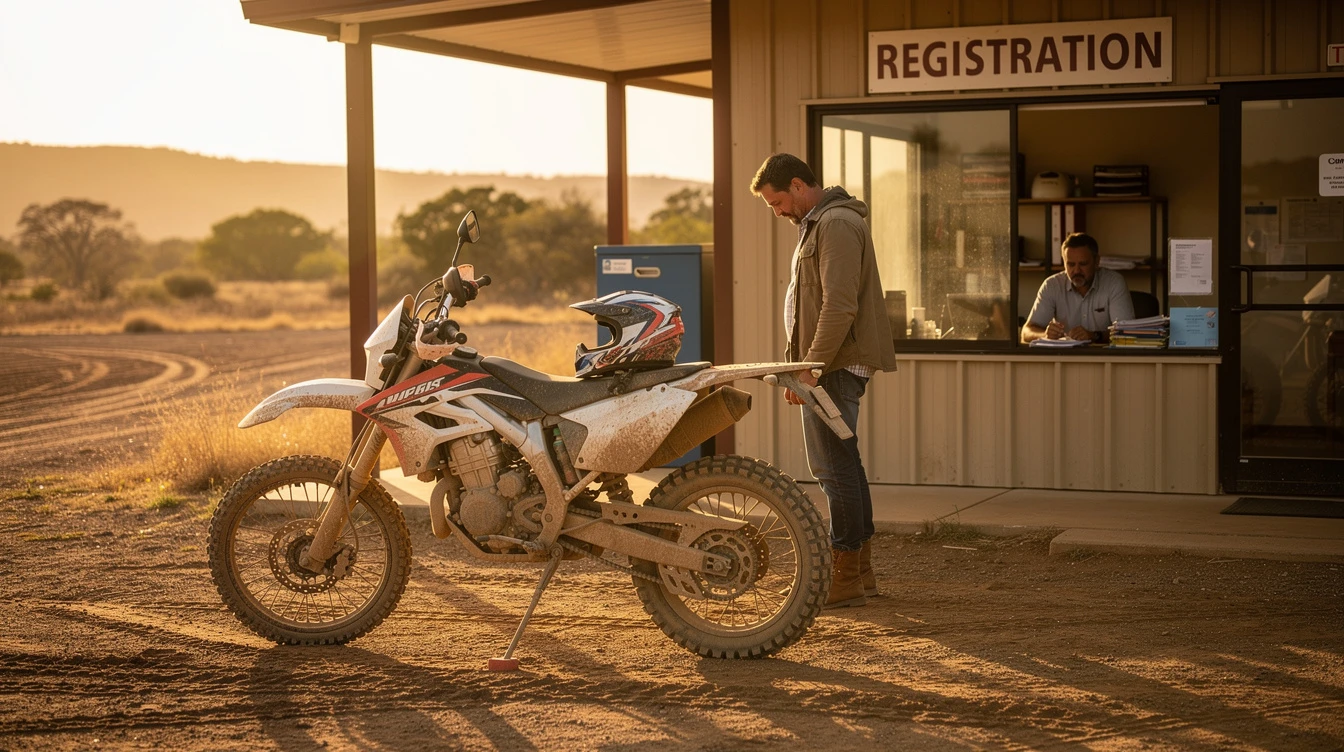
In some cases, you can use a registration card in the seller’s name along with a bill of sale to prove a transfer of ownership. This is common with things like ATVs or older motorcycles where titles might have been lost decades ago.
If the seller can’t find the title but the car is currently registered to them, ask them to order a duplicate title before you hand over the cash. It’s a lot easier for the person currently in the system to get paperwork than it is for a new buyer to start from scratch.

Manufacturer’s Certificate of Origin (MCO)
If you’re dealing with a brand-new vehicle, a kit car, or a high-end UTV, you might have an MCO instead of a title. This is the document the manufacturer sends to the dealership.
The MCO is essentially the “birth certificate” of the vehicle. It contains all the technical specs and proves the vehicle hasn’t been titled yet. If you have this, you’re in a great spot.
For off-road enthusiasts, the MCO is often the only thing you get when you buy a new side-by-side. If you’re looking to turn that UTV into a street-legal machine, hold onto this document like it’s made of gold.
Read next: Is It Okay to Buy a Car Without a Title?
Photos, Receipts, and the “Paper Trail”
When you’re dealing with a basket case or a vehicle that was built from parts, your proof of ownership is a literal paper trail. This is common for custom choppers or restomods where the frame and engine might come from different places.
Save every receipt. If you bought a crate engine, keep the invoice. If you bought a frame from a scrapyard, keep the disposal receipt.
In some states, you can apply for a constructed vehicle title. This involves an inspection where an officer verifies the VINs on your parts haven’t been reported stolen. Having a neat folder of receipts makes this process go much faster.
The Bonded Title Route
If you have absolutely no paperwork and the previous owner is long gone, many people turn to a bonded title. This involves buying a surety bond that protects the state in case the “real” owner shows up later and claims you stole the car.
The bond usually costs a percentage of the vehicle’s value. After a certain number of years (usually three to five), the “bonded” brand is removed, and you get a clean title.
The problem? It’s a massive headache. You have to get the car appraised, buy the bond, fill out stacks of forms, and wait for the state to process everything. It’s a slow, expensive way to get a car on the road.
The Inspection Trap
Even if you have a bill of sale and a bond, the state might require a physical VIN inspection. This is where things get dicey. If the inspector finds a discrepancy or if the VIN plate looks tampered with, they can impound the vehicle on the spot.
States are becoming increasingly strict about gray market vehicles or cars that don’t meet modern safety standards. You might spend months gathering proof of ownership only to have a clerk tell you the vehicle can’t be registered in your state anyway.
This is the point where most gearheads throw in the towel. You’ve got the car, you’ve got the parts, and you’ve got the passion, but the system is designed to keep you off the road.
The Fast Way to Fixed Paperwork
Here is the thing. You shouldn’t have to spend your weekends at the DMV or your weeknights arguing with a bond agent.
This is where Dirt Legal comes in. We’ve spent years figuring out the quirks of the system so you don’t have to. Whether you’re missing a title for a car, a motorcycle, or a boat, we have the tools to handle the complexity for you.
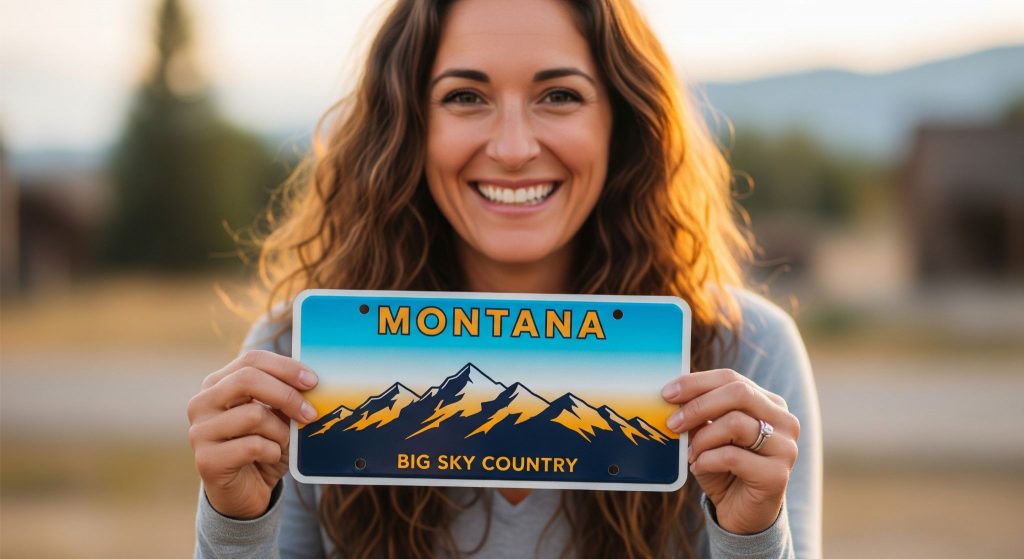
If you’ve got a high-end build or a vintage find without paperwork, our Montana LLC service is a heavy hitter. We can help you set up an LLC in Montana, where there is 0% sales tax. We then register the vehicle to your LLC.
This doesn’t just solve your paperwork problem; it can save you thousands of dollars in taxes that your home state would love to collect. Plus, Montana doesn’t require inspections for most vehicles, meaning you skip that nerve-wracking visit to the state trooper’s office.
Stop letting a missing piece of paper keep your project in the garage. Let us handle the runaround while you focus on the build.