If you’ve ever found yourself staring at a bright orange Toyota Supra or a blacked-out Dodge Charger and felt a sudden urge to “live your life a quarter-mile at a time,” you aren’t alone.
For over two decades, the Fast & Furious franchise hasn’t just been a series of summer blockbusters, but the ultimate blueprint for automotive culture.
What started as a gritty look at the underground street racing scene in Los Angeles has evolved into a global phenomenon that dictates what we do to our cars in the real world.
From the neon-lit underglow of the early 2000s to the high-performance “restomod” muscle cars of today, Hollywood has a firm grip on our steering wheels.
But how did a movie about stealing DVD players (remember those?) change the way we build cars forever? Let’s break down the “Fast & Furious Effect” and how it’s still driving trends.
The Birth of the “Tuner” Revolution
Before 2001, the average person didn’t think much about a Mitsubishi Eclipse or a Honda Civic beyond their gas mileage. The Fast and the Furious changed that overnight.
It took Japanese Domestic Market (JDM) cars and put them on a pedestal, showing the world that with enough Nitrous Oxide (NOS) and a massive wing, even an economy car could be a supercar killer.
This birthed the tuner era. Suddenly, everyone wanted aftermarket body kits, oversized spoilers, and vinyl graphics. It was about identity.
The movie taught us that your car is an extension of your personality. If you weren’t rocking neon underglow and a “Type R” badge on a car that clearly wasn’t a Type R, were you even trying?
Performance Over Everything (The “Ten-Second Car” Mentality)
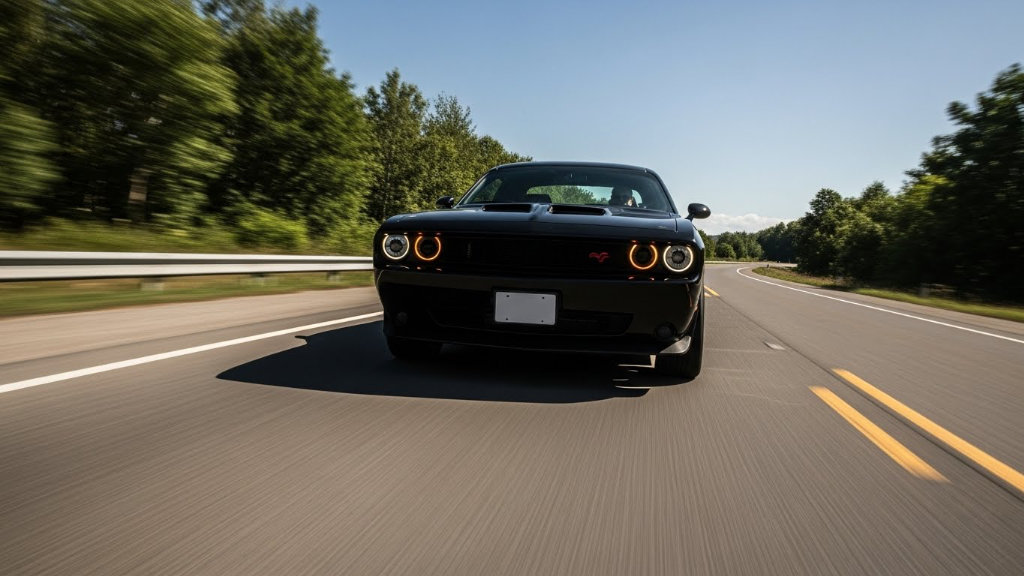
As the franchise shifted from street racing to international heist missions, the customization trends shifted too. It wasn’t enough to look fast anymore; you actually had to be fast. This pushed the aftermarket industry to explode.
Today, we see a massive trend in “sleeper” builds: cars that look stock on the outside but pack 800 horsepower under the hood. The influence of Dom’s iconic 1970 Dodge Charger brought muscle cars back into the spotlight, blending classic American iron with modern fuel injection and suspension.
This “restomod” trend (restoring a classic but modifying it with modern tech) is currently one of the hottest segments in the car world.
The JDM Gold Rush
If you’ve tried to buy a Nissan Skyline GT-R or a Mark IV Supra lately, you know the prices are absolutely insane. We can thank Paul Walker’s Brian O’Conner for a lot of that. The “hero cars” of the franchise have become blue-chip investments.
This has sparked a real-world trend of “tribute builds.” Car enthusiasts are spending thousands to replicate the exact specs of the movie cars. This nostalgia is driving the market for 90s and early 2000s Japanese sports cars to heights we never thought possible.
Beyond the Screen: 2025 Customization Trends
Even in 2025, the ripple effects are everywhere. Modern customization has moved toward:
- Forged Carbon Fiber: What used to be reserved for hypercars is now showing up on hoods and mirrors of daily drivers, inspired by the “weight-saving” tech often mentioned in the films.
- Active Aero: Moving wings and shutters that adjust based on speed. A direct nod to the high-tech gadgets seen in the later movies.
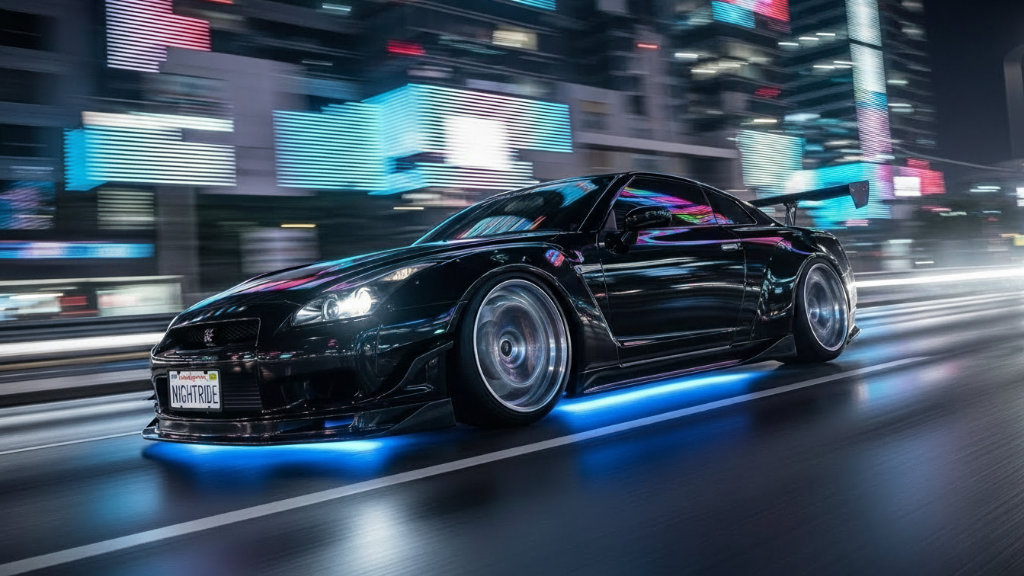
- Aesthetic Lighting: Underglow is actually making a comeback, but this time it’s controlled by smartphone apps with millions of color options.
Keeping Your Custom Ride Street-Legal
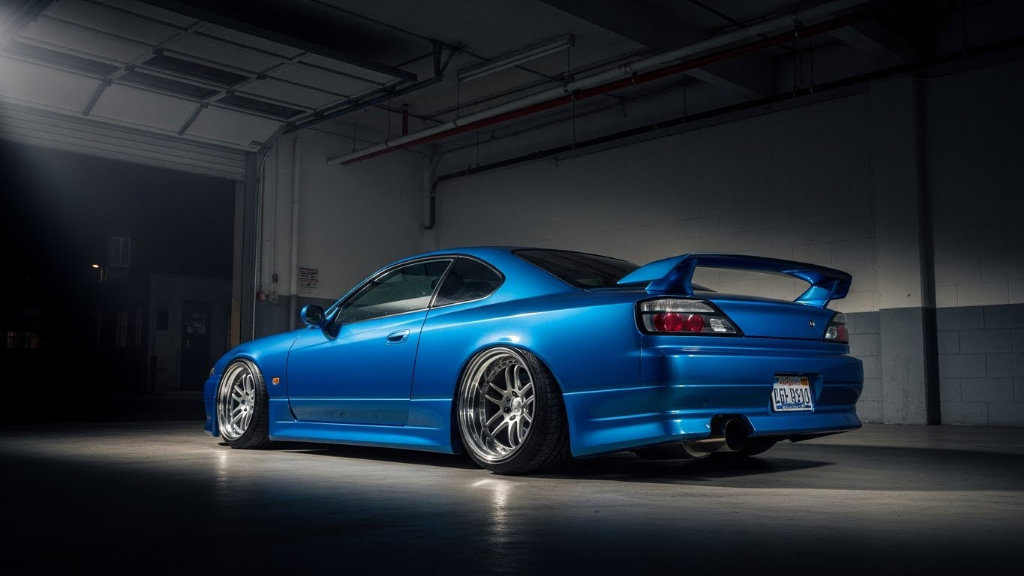
Building a movie-inspired masterpiece is the dream, but the real world has a few more rules than a Hollywood set. You can bolt on all the turbos and widebody kits you want, but if you can’t get a license plate for it, you’re just owning a very expensive paperweight.
This is where things usually get frustrating. Most people spend months under the hood only to get stuck when it’s time to deal with the paperwork. If you’ve built something unique (maybe an imported JDM legend or a heavily modified off-road rig) getting it registered can feel like a race you’re destined to lose.
We know that the DMV isn’t exactly “tuner-friendly.” That’s why we specialize in helping enthusiasts get their unique rides on the road without the headache.
Whether you’ve got a custom motorhome, a side-by-side you want to drive on the road, a custom build that doesn’t fit into a standard box, or anything with a motor and wheels, we handle the heavy lifting.
We offer vehicle registration and titling services that streamline the process. Our goal is to make sure your “ten-second car” (or your twenty-minute cruiser) is 100% street-legal so you can actually enjoy the work you put into it.
Don’t let your project sit in the garage because of a missing title or a stubborn state inspector. Check out our services and let’s get you on the road.
After all, what’s the point of having a movie-star car if you can’t actually drive it?